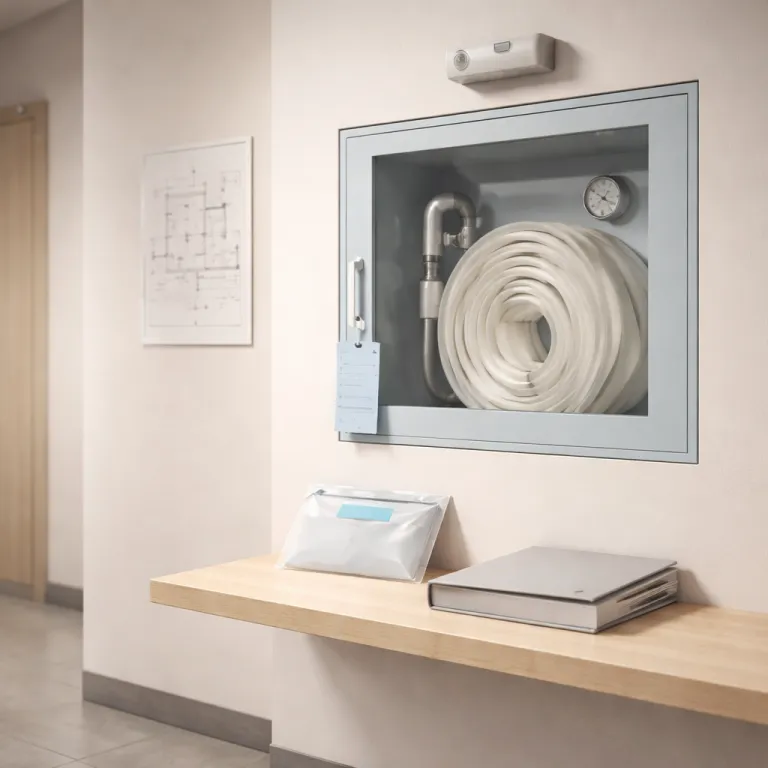
Why a framed certificate will not save your corporate office
Most Indian offices treat a fire safety certificate as a one time trophy. In a real fire safety audit for any office in India, inspectors walk past that frame and head straight for your logs, your systems, and your people because they know certificates without records hide risks. If you manage a corporate office in India, your real asset is not the paper but the repeatable safety management system that proves every safety audit and every drill actually happened.
Think of fire safety as you think of GST compliance, where missing one filing can trigger penalties and scrutiny. The same logic applies to fire safety audits and to every audit inspection for life safety, because state fire services now expect a full trail of inspection services, safety training records, and documented safety measures that match the National Building Code of India (NBC 2016, Part 4: Fire and Life Safety) and local bye laws. When your office treats fire protection and fire prevention as recurring services rather than a one time project, you start to see safety solutions, risk management, and safety management as operational levers instead of sunk costs.
For a founder or COO, the real fire risk is not only a blaze in the building but the personal liability that follows a failed inspection. Under the Occupational Safety, Health and Working Conditions Code, 2020 (for example, Sections 6, 8 and 13 on employer duties and safety committees), individual officers can be held responsible for lapses in workplace safety, which means your signature on the drill log matters as much as your signature on the balance sheet. A disciplined approach to fire electrical maintenance, electrical system checks, and services for fire protection turns a routine safety audit into a shield for both the company and its leadership.
To ground this in practice, keep a one page internal checklist that mirrors the National Building Code, your state fire service rules, and your own office policy. That sheet should summarise required systems, minimum drill frequency, documentation standards, and who signs off each item, so that every audit fire review starts from a shared, written baseline rather than memory or vendor claims. A simple template might include columns for “NBC clause reference”, “state form number”, “internal control”, “evidence stored at”, and “last verified date”.
The six document bundle every inspector expects to see
When a state fire officer walks into your office, they are silently checking for six specific documents before they even look at your fire safety systems. The first is the valid fire safety certificate for the building, followed by the fire drill log, the extinguisher service log, the alarm and detection system test log, the staff safety training register, and a current emergency contact matrix that covers internal and external responders. If any one of these records is missing or inconsistent, your safety audits start to look cosmetic and your compliance story begins to unravel.
Each log must read like a real operational diary, not a backfilled spreadsheet created the night before an audit inspection. A credible fire safety audit for an office in India will show dates, times, locations, responsible persons, vendor names, and specific safety measures tested, including electrical system checks, fire electrical panel inspections, and services for fire protection equipment across all floors. For multi tenant corporate office buildings, you also need clarity on which safety solutions and inspection services are handled by the landlord and which are your direct responsibility, because inspectors will not accept finger pointing as a defence against risks.
The emergency contact matrix is the most underrated document in this bundle, yet it is the first thing a serious inspector will test during an emergency drill. It should list internal fire wardens, facility managers, security supervisors, and external numbers for local fire services, ambulance providers, and building management systems operators, all with clear escalation rules. In hybrid work environments where staff rotate between home and office, you must update this matrix frequently so that life safety roles are always mapped to people who are actually present in the office on any given day.
For office managers wrestling with hybrid work and facilities complexity, it helps to treat this six document bundle as part of your broader facilities operating model rather than a standalone compliance chore, and resources on hybrid work as a facilities problem can sharpen how you assign and track these responsibilities. When you embed these documents into your regular management rhythm, every fire safety audit for your office in India becomes a simple matter of presenting well maintained records instead of scrambling to reconstruct history. Over time, these audits fire up better discipline across all safety audits and risk reviews, not just those linked to fire risk and services for fire protection.
To make this bundle actionable, draft a one page checklist with six rows and simple columns for document owner, last update date, storage location, and next review. Under each row, add a sample entry—for example, a drill log line such as “15 March 2026 | 8th floor | full evacuation drill | 4 min 30 sec | 86 staff | 2 blocked exits identified | corrective action assigned to facilities by 31 March”—so that new team members can see exactly what “good” documentation looks like.
State by state reality: Maharashtra, Karnataka, Delhi and your building
Fire safety in India is national in principle but state driven in practice. The National Building Code sets baseline safety standards for building design, fire protection systems, and life safety, yet Maharashtra Fire Services, Karnataka State Fire and Emergency Services, and Delhi Fire Service each run their own inspection services and formats. If your corporate office portfolio spans Mumbai, Bengaluru, and Delhi, you are effectively running three different compliance programs for every safety audit and every audit inspection.
In Mumbai under Brihanmumbai Municipal Corporation, high rise office buildings face more frequent fire safety audits and stricter requirements on fire electrical systems, sprinkler coverage, and evacuation routes than many tier two cities. Karnataka’s Department of Fire and Emergency Services focuses heavily on fire prevention through regular inspection of electrical risks, diesel generator rooms, and basement parking, while Delhi Fire Service pays close attention to occupancy loads, stairwell integrity, and alarm audibility during drills. For an operations minded founder, mapping these differences into a single safety management playbook is the only way to keep audits fire ready without drowning in state specific paperwork.
Most state portals now publish their latest forms and checklists, yet many corporate office teams still rely on outdated templates shared by vendors. Your office management should maintain a central policy library that links each site to its applicable fire safety forms, safety audits schedules, and inspection services requirements, then align vendor contracts to those specifics. A practical way to institutionalise this is to build a robust policy management framework for Indian office operations, and resources such as policy management guides for Indian offices can help you design that backbone so every fire safety audit in every office in India runs off the same core logic.
State variation also affects how inspectors treat documentation gaps, which changes your negotiation posture during a safety audit. In some Maharashtra inspections, officers may accept a short delay to produce older drill logs if your current year records are impeccable, while in parts of Karnataka, missing electrical inspection reports can trigger immediate notices. Delhi inspectors often cross check your emergency training register against attendance sheets, so any mismatch between safety training records and HR rosters can raise questions about the integrity of your safety solutions and risk management processes.
To stay aligned with these differences, assign one person in your facilities or legal team to track updates to the National Building Code, the OSH Code rules, and state fire department circulars, then summarise changes in a short quarterly note. Linking each summary to your internal checklists and forms keeps your documentation, drill logs, and AMC scopes synchronised with what inspectors actually use in the field, including specific references such as NBC Part 4, Annex C for fire drills and state prescribed Form A or Form B where applicable.
Drills, AMCs and the OSH Code: where paperwork meets real risk
Regulations typically ask for at least one fire drill every six months, yet serious inspectors and serious office managers know that this cadence barely trains people. In dense corporate office environments with complex evacuation routes, quarterly drills with rotating scenarios, blocked exits, and simulated electrical fires build real muscle memory and expose hidden fire risks in your building layout. When your fire safety audit for an office in India shows only the bare minimum of drills, it signals a compliance mindset rather than a safety management culture.
Your Annual Maintenance Contract for fire systems is the second big lever that either protects you or quietly increases risk. Many integrated facility management vendors in India bundle fire safety services into generic AMCs, but the fine print often reduces actual inspection services to visual checks instead of full functional tests of alarms, sprinklers, and fire electrical panels. A robust AMC should specify service frequency for each system, replacement notice periods for expired extinguishers, detailed reporting formats for every audit fire visit, and clear responsibilities for rectifying defects before the next safety audit or safety audits cycle.
The OSH Code has started to pull fire safety records into broader workplace safety filings, which changes how founders should treat documentation. When your drill logs, safety training registers, and emergency response plans feed into statutory submissions, any gaps can expose individual officers to scrutiny and penalties, not just the entity. That is why many prudent founders now insist on personally signing off the annual drill summary, treating it as a board level risk management document rather than a facilities file.
For office managers, this shift is an opportunity to argue for better budgets and better systems, because you can now link every rupee spent on services for fire protection, safety solutions, and inspection services to reduced legal exposure and reduced downtime. One practical tactic is to benchmark your AMC clauses against industry analyses of integrated facility management providers, then renegotiate to include explicit safety measures, life safety tests, and fire prevention checks as part of the scope. When you do this, every fire safety audit in your office in India becomes a validation of your contract quality, not just your paperwork discipline.
When reviewing AMCs, look for concrete clauses: sample language on mandatory quarterly functional testing (“The contractor shall conduct and document full functional testing of all fire alarm, detection, sprinkler and fire electrical panels once every quarter, with test reports signed by a competent person within 48 hours of the visit”), maximum response times for critical faults, obligations to document defects with photographs, and requirements to share checklists used during visits. Treat these clauses as artefacts you can show an inspector alongside your logs, demonstrating that your vendors, systems, and records are all aligned with your fire risk strategy.
Running inspections like a pro: scripts, sequences and what to show first
Most inspection days go badly not because systems fail, but because office teams panic and present the wrong documents in the wrong order. A calm, rehearsed script for your front office, facility manager, and security supervisor can turn a tense fire safety audit in your office in India into a structured walkthrough that highlights your strengths. Start by offering the fire safety certificate, the latest drill log, and the AMC summary for your fire protection systems, then move to detailed logs only when the inspector asks.
During the opening conversation, avoid defensive language or casual admissions like “we usually do this” or “vendor has not come yet”, because these phrases invite deeper probing into your safety audits and inspection services. Instead, anchor the discussion on your documented safety standards, your safety management framework, and your risk management approach, then walk the officer through how your building systems, electrical checks, and emergency training align with those policies. When questions arise about specific fire electrical issues or past incidents, answer factually, reference your audit inspection reports, and offer to show corrective action records rather than improvising explanations.
Sequence matters when you move from documents to physical inspection of the office. Lead the inspector through high risk zones first, such as server rooms, electrical panels, and storage areas, where your safety measures and fire prevention controls are strongest and most recently serviced. Then proceed to common areas, stairwells, and assembly points, using each stop to demonstrate how your services for fire protection, safety training, and emergency signage work together as an integrated system rather than isolated fixes.
After the visit, treat the inspection report as a free consulting document rather than a fault finding memo, because it often highlights systemic gaps in your fire safety solutions and building management practices. Convert every observation into a tracked action item with owners, deadlines, and budget implications, then review this list in your monthly operations meeting alongside other corporate risk dashboards. Over a few cycles, this discipline turns audits fire related and safety audits of all kinds into a continuous improvement loop, where each inspection strengthens both life safety and business continuity.
To close the loop, capture a short debrief after each visit: what documents impressed the inspector, which questions caused hesitation, and which areas drew praise or concern. Folding these notes back into your scripts, checklists, and AMC reviews ensures that every subsequent fire safety audit in your office in India is smoother, faster, and better aligned with how regulators actually work. A simple one page inspection checklist with columns for “item observed”, “reference (NBC / state rule)”, “non conformity”, “corrective action”, and “closure date” keeps this learning visible.
FAQ
What documents are mandatory for a fire safety audit in an Indian office
Inspectors typically expect a valid fire safety certificate, a detailed fire drill log, extinguisher service records, alarm and detection system test logs, staff safety training registers, and an updated emergency contact matrix. For larger buildings, they may also ask for floor wise evacuation plans, electrical inspection reports, and AMC contracts for fire protection systems. Keeping these documents organised and accessible is as critical as maintaining the systems themselves.
How often should an office in India conduct fire drills
Regulations usually require at least one drill every six months, but many safety professionals recommend quarterly drills for multi storey corporate offices. Higher frequency helps staff internalise evacuation routes, assembly points, and emergency roles, especially in hybrid work environments with rotating teams. Documenting each drill with attendance, observations, and corrective actions strengthens both compliance and real world readiness.
What should be included in an AMC for fire protection systems
A robust AMC should specify the exact equipment covered, service frequency for each component, and the scope of functional testing for alarms, sprinklers, and fire electrical panels. It must also define response times for breakdowns, replacement timelines for expired extinguishers, and reporting formats for every visit. Clear responsibilities between the vendor, landlord, and tenant reduce ambiguity during inspections and after incidents.
How does the OSH Code change fire safety responsibilities for founders
The OSH Code increases personal accountability for workplace safety, including fire safety, for designated officers and founders. If records show inadequate training, missing drills, or ignored inspection findings, individual leaders can face scrutiny alongside the company. This makes it prudent for founders to review and sign off key safety documents annually.
How can office managers link fire safety to business metrics
Office managers can track metrics such as drill participation rates, time to evacuate, number of unresolved safety observations, and downtime from fire related system failures. They can also quantify savings from avoided penalties, reduced insurance premiums, and fewer disruptions due to better risk management. Presenting these numbers in quarterly reviews helps reposition fire safety as a business lever rather than a pure cost.