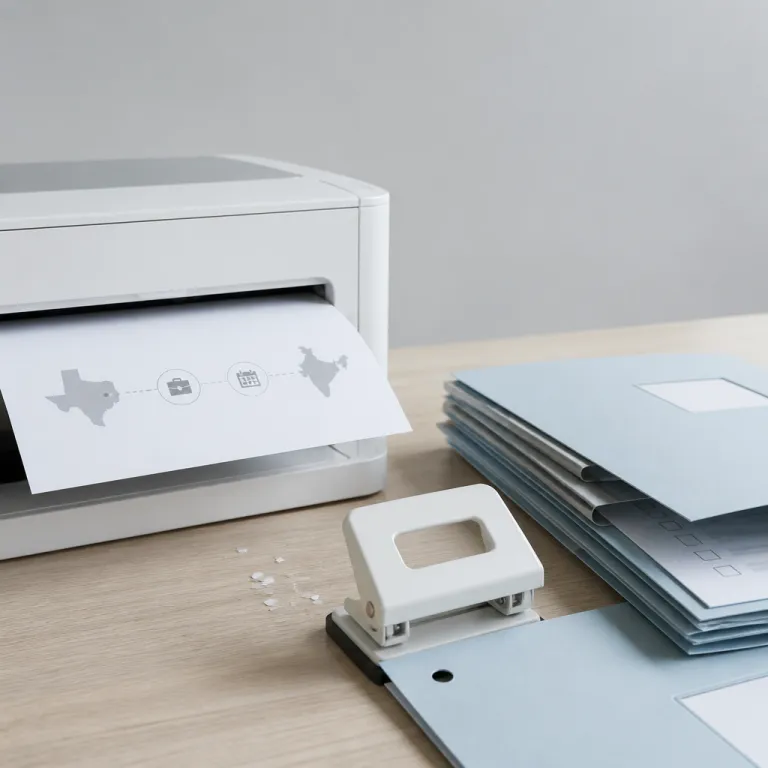
Why office managers in Indian companies look to staffing agencies in Grand Prairie
Office managers in Indian companies increasingly benchmark their staffing strategies against what leading staffing agencies in Grand Prairie and the wider Dallas–Fort Worth region are doing. These agencies operate in a highly competitive local market where every job order, every hire, and every piece of talent is measured against clear productivity, safety, and customer service outcomes. For an Indian office manager, studying how a Grand Prairie staffing agency builds a resilient workforce offers practical lessons on team structure, performance metrics, and risk control.
In the Dallas–Fort Worth corridor, staffing agencies design workforce solutions that balance light industrial roles, office administration, and direct hire leadership positions. This mix forces them to refine their recruiting process so that job seekers can search jobs efficiently, hiring managers can find job‑ready people quickly, and teams can scale without losing quality. Indian office managers who manage multi‑city operations can learn from this blended model when they search for the best staffing services to support complex, multi‑location teams and distributed office networks.
Many Grand Prairie staffing firms run Monday–Friday operations with extended hours, which suits both shift‑based work and corporate schedules. Their staffing services often include on‑site workforce management, digital search jobs platforms, and tailored staffing solutions for customer service‑heavy environments such as contact centres. When Indian companies analyse these services, they see how a disciplined staffing agency in Grand Prairie aligns human resources, technology, and compliance to keep teams productive, engaged, and ready for peak demand.
Translating Grand Prairie staffing practices to office manager recruitment in India
For an Indian office manager, the most valuable export from staffing agencies in Grand Prairie is not people but process. These agencies treat every office manager job as a pivotal role that connects human resources, finance, facilities, and frontline customer service into one accountable set of responsibilities. That mindset helps Indian companies reframe office manager hiring from a simple administrative job to a strategic workforce investment that directly influences employee experience and client satisfaction.
In Dallas and nearby Fort Worth, leading staffing agencies use structured competency maps to evaluate talent for office management and related jobs. They assess how candidates coordinate a diverse team, manage vendor services, and maintain service quality across Monday–Friday and weekend shifts where required. When Indian office managers partner with local recruiters, they can request similar competency‑based staffing solutions, ensuring that each staffing service they buy is aligned with measurable outcomes such as time to resolution, budget adherence, and internal customer feedback rather than vague job descriptions.
Process discipline is another transferable lesson from the Dallas–Fort Worth labour market. A mature recruiting process in Grand Prairie typically includes role scoping, multi‑stage interviews, skills testing, and reference checks before any direct hire offer is made. Indian companies that want to elevate office manager recruitment can adapt this approach and, as outlined in this guide on how tailored staffing elevates office manager recruitment in Indian companies, align their internal human resources playbook with the best practices used by high‑performing Grand Prairie staffing firms.
Building a cross border talent pipeline between Dallas Fort Worth and Indian offices
Some Indian companies now look at the Dallas–Fort Worth metroplex, including Grand Prairie and Fort Worth, as a reference market for office support and customer service excellence. While they may not always relocate people, they study how staffing agencies in Grand Prairie structure their talent pipelines and then mirror those patterns in Indian cities. This cross‑border learning helps office managers design teams that can handle both domestic operations and international client expectations, especially in sectors such as IT services, BPM, and shared service centres.
In practice, a staffing agency in Grand Prairie will segment its candidate pool into light industrial workers, office administrators, and specialist office managers who can run a broad suite of functions. Job seekers can search jobs on digital platforms, filter by job type, and quickly find job opportunities that match their skills and preferred work schedules. Indian office managers can ask their local staffing services partners to replicate this segmentation, making it easier to run targeted search jobs campaigns for office manager roles in Mumbai, Bengaluru, or Hyderabad and to build succession pipelines for critical positions.
Temporary and direct hire models used in Dallas and Fort Worth also offer useful templates. Agencies often combine temporary placements for peak work periods with direct hire recruitment for core office manager positions that require long‑term stability. Indian companies exploring flexible staffing solutions can study how a temporary agency in Plano or Grand Prairie operates, and resources such as this analysis of how a temporary agency in Plano can sharpen office manager recruitment for Indian companies provide a structured way to adapt those models to local regulations, notice‑period norms, and cultural expectations.
What Indian office managers can learn from Grand Prairie about metrics and compliance
Office managers in Indian companies are under pressure to show clear ROI on every staffing decision they make. In Grand Prairie and the wider Dallas–Fort Worth area, staffing agencies respond to similar pressure by tracking detailed metrics on time to hire, retention, and customer service scores for each job category. These data‑driven practices give Indian office managers a blueprint for building their own dashboards and performance reviews that link staffing decisions to business outcomes.
For example, a Grand Prairie staffing firm that supplies light industrial and office support workers will often report on fill rates, absenteeism, and safety incidents by client site. The same staffing agency may track how quickly job seekers move from search jobs to actual work, and how many convert from temporary roles to direct hire positions within a defined period. Indian office managers can request comparable reporting from their staffing services partners, ensuring that every staffing solution is backed by transparent data rather than informal impressions or anecdotal feedback.
Compliance is another area where Grand Prairie staffing agencies have refined their recruiting process. They maintain a clear privacy policy that explains how candidate data are collected, stored, and used, which is essential when handling sensitive human resources information across multiple jobs and locations. Indian companies that work with both local and international staffing agencies should insist on similar privacy policy standards, protecting people while still enabling efficient workforce planning, background checks, and cross‑functional team coordination.
Adapting customer service centric staffing models to Indian office environments
Many staffing agencies in Grand Prairie specialise in roles where customer service quality directly affects revenue and brand perception. These agencies understand that the office manager job is central to how people experience a workplace, from reception to vendor interactions and internal communication. Indian office managers can adapt this customer service‑centric view to strengthen their own teams and hiring criteria, particularly in client‑facing offices and high‑traffic corporate campuses.
In Dallas and Fort Worth, a typical staffing agency will coach job seekers on how to present their customer service skills, even when they apply for back‑office jobs. Recruiters emphasise behaviours such as proactive communication, empathy with colleagues, and the ability to manage a diverse team across different shifts and work styles. When Indian companies design staffing solutions for office management, they can embed these behaviours into job descriptions, interview questions, and performance reviews to ensure that every office manager supports both internal and external clients effectively.
Some Grand Prairie staffing firms, including well‑known brands such as CornerStone Staffing, have built reputations on consistent service quality and responsive communication with clients. Their staffing services often include regular check‑ins with office managers, feedback loops with job seekers, and rapid adjustments when a placement is not working as expected. Indian office managers who expect the best from their staffing agencies should ask for similar service commitments, making sure that every staffing service contract includes clear service level expectations, escalation paths, and measurable outcomes for both temporary and direct hire office manager roles.
Designing an India specific office manager strategy informed by Grand Prairie benchmarks
While staffing agencies in Grand Prairie operate in a different regulatory and cultural context, their structured approach to staffing offers powerful benchmarks for Indian office managers. The key is to translate those benchmarks into India‑specific strategies that respect local labour laws, salary expectations, and career paths. Resources such as this analysis of the office manager salary landscape in India by city help office managers align global process lessons with local compensation realities and internal pay bands.
Indian companies can start by mapping their current workforce and identifying where office managers sit within the broader human resources structure. They should then work with trusted staffing agencies to define clear role scopes, competency frameworks, and recruiting process steps that mirror the discipline seen in Dallas–Fort Worth staffing markets. This structured approach allows office managers to search jobs more strategically, engage with job seekers more transparently, and build a pipeline of talent that can support both routine Monday–Friday operations and peak work periods driven by seasonal demand or project launches.
Over time, office managers who apply these lessons from Grand Prairie staffing models will see stronger retention, better team morale, and more predictable staffing costs. They will also be better positioned to evaluate which staffing services, from light industrial support to specialised office management direct hire roles, truly deliver value. By treating every staffing agency partnership as a strategic extension of their own team, Indian office managers can turn global insights from Grand Prairie and Fort Worth into practical, measurable improvements in their daily work.
Key statistics for office manager staffing and recruitment
- According to data from the Ministry of Labour and Employment, organised sector employment in India has grown steadily over the past decade, increasing demand for structured human resources and office manager roles in medium and large companies that need formalised processes.
- Industry surveys from NASSCOM indicate that business process management and customer service functions employ millions of people in India, making office managers critical for coordinating staffing, facilities, and compliance in these high‑volume environments that often run 24/7.
- Reports from the Society for Human Resource Management show that companies with formal recruiting process frameworks typically reduce time to hire by double‑digit percentages compared with firms that rely on ad hoc hiring, which directly benefits office manager recruitment and onboarding quality.
- Benchmarking studies in the Dallas–Fort Worth region highlight that staffing agencies which specialise in both light industrial and office support roles often achieve higher fill rates and retention, suggesting that mixed portfolios can stabilise workforce planning and improve service continuity for clients.
FAQ: staffing agencies in Grand Prairie and Indian office manager recruitment
How can Indian office managers benefit from studying staffing agencies in Grand Prairie ?
They gain practical models for structured recruiting processes, competency‑based assessments, and data‑driven staffing solutions that can be adapted to Indian labour markets, regulatory frameworks, and multi‑location office networks.
Do Indian companies need to work directly with Dallas Fort Worth staffing agencies ?
Most Indian companies do not need direct contracts, but they can benchmark processes, service levels, and reporting standards from Grand Prairie agencies and then require similar practices from their local staffing partners and managed service providers.
What aspects of Grand Prairie staffing models are most relevant for office manager roles ?
The most relevant aspects include clear role definitions, customer service‑centric competency frameworks, structured multi‑stage recruiting processes, and transparent privacy policy and compliance practices for handling candidate data and employee records.
How should Indian office managers evaluate their current staffing services providers ?
They should assess time to hire, retention, quality of office manager candidates, responsiveness of customer service, and the depth of reporting offered, comparing these against benchmarks from mature staffing markets such as Dallas–Fort Worth and other established hubs.
Can lessons from light industrial staffing in Grand Prairie help office based Indian teams ?
Yes, because light industrial staffing emphasises safety, scheduling discipline, and measurable productivity, which can inspire better workforce planning, shift management, and facilities coordination even in primarily office‑based Indian environments.